


Monk Fruit Extract Benefits vs. Other Natural Sweeteners
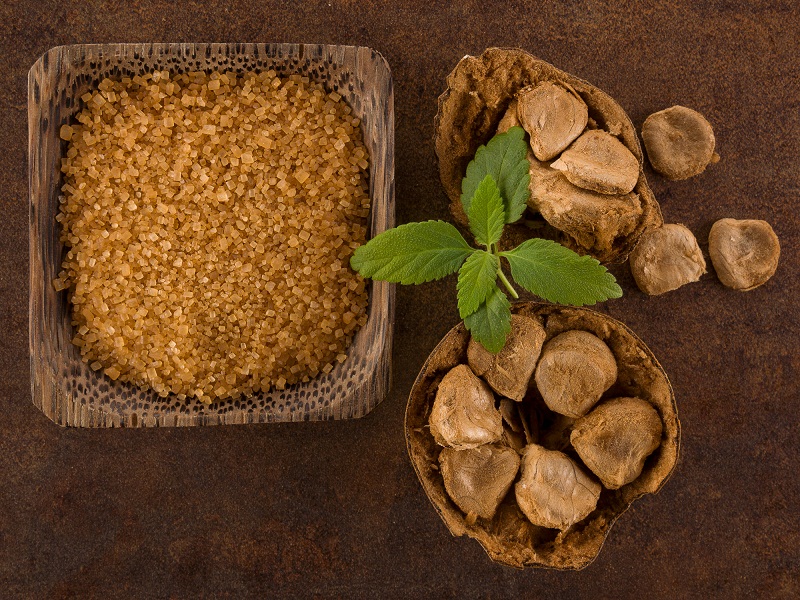
Natural sweeteners each bring trade-offs. Many contribute calories or have different metabolic effects. Monk Fruit Extract Benefits stand out because sweetness is intense while calorie impact is negligible. That helps brands hit sugar-reduction targets without compromising nutrition facts. It also supports positioning for consumers who monitor blood sugar.
From a brand strategy perspective, monk fruit extract offers a compelling value stack: potent sweetness, virtually no calories, and antioxidant support. This combination lends itself to premium products where every functional attribute must justify shelf price and loyalty. Because the sweetness is derived from mogrosides in the fruit, you gain a simple, nature-forward story that resonates in clean-label marketing and best sugar substitute for diabetic-friendly diets content.
In innovation pipelines, monk fruit extract also reduces complexity. One ingredient can serve multiple categories – hydration drinks, vitamin chews, meal-replacement mixes, and even beauty-from-within lines – so your procurement and quality teams manage fewer variables while maintaining consistent sweetness targets.
* Below is a systematic comparison of Other Natural Sweeteners by key parameters, to serve as a reference for positioning and selecting relative to Monk Fruit. The figures reflect common industry ranges and will vary based on raw material source, purity, and formulation environment.
Quick Comparison Table (Sucrose = 1 baseline)
| Sweetener | Relative Sweetness* | Calories (kcal/g) | Glycemic Impact / GI | Taste & Aftertaste | Key Advantages | Key Considerations | Typical Applications |
| Stevia (Steviol Glycosides) | 200–300 | ~0 | GI≈0, does not raise blood sugar | Slight herbal/licorice aftertaste | High-intensity, heat-stable, clean label | Bitterness at high dose; often needs masking or blending with polyols | Beverages, baking, meal replacements |
| Erythritol | 0.6–0.7 | ≈0 (~0.2) | GI≈0 | Cooling effect, sugar-like body | Tooth-friendly, heat-stable, good crystallization | GI discomfort at high intake; manage crystallization | Chocolate, baking, beverages |
| Xylitol | 1.0 | 2.4 | Low (≈7–13) | Clean sweetness | Oral-health benefits, sugar-like | Toxic to dogs; laxative risk if overused | Gum, lozenges, baking |
| Allulose | 0.7 | 0.2–0.4 | GI≈0 | Sugar-like body; good browning | Low calorie; helpful for freezing point control | GI discomfort at high intake; regulatory variations | Ice cream, syrups, baking |
| Honey | 1.0–1.2 | ~3–4 | Medium (≈45–64) | Complex flavor, lingering aroma | Natural image; trace antioxidants | Not for infants; high in sugars | Tea, dressings, baking glaze |
| Agave Syrup | 1.1–1.4 | ~3–4 | Low (≈15–30), high fructose | Smooth mouthfeel | Dissolves easily, gentle taste | High fructose load; hepatic metabolism burden | Cold drinks, cocktails, baking |
| Coconut Sugar | 0.9–1.0 | 4 | Medium–low (≈35–54) | Caramel notes | Small amounts of minerals/inulin | GI not very low; sustainability concerns | Coffee, baking, sauces |
| Maple Syrup | 1.0–1.1 | ~3–4 | Medium (≈54) | Distinct maple flavor | Trace Mn/Zn | High sugar; higher cost | Breakfast syrups, baking, desserts |
| Molasses | 0.6–0.7 | 4 | Medium (≈55) | Strong flavor; dark color | Relatively mineral-rich | Heavy flavor; deep color | Dark bakes, sauces |
| Date Syrup/Paste | 0.8–1.0 | 4 | Medium–low (≈43–55) | Pronounced date flavor | Polyphenols & fiber (form-dependent) | Powder form dissolves poorly; dark color | Energy bars, baking |
| Yacon Syrup | 0.3–0.5 | 1–2 | Very low (rich in FOS) | Light fruity note | Prebiotic properties | Gas/bloating risk; modest heat stability | Cold use, yogurt |
| Brown Rice Syrup | 0.5–0.7 | 4 | High (≈85–98) | Mild malty note | Low allergenicity; good texture/binding | High GI; arsenic concerns in raw materials | Energy bars, baking |
*Relative sweetness uses sucrose = 1 as baseline; actual performance depends on matrix, temperature, and acidity.
Selection Keys & Formulation Tips
•Sugar control & mouthfeel balance: When you need sugar-like body and bulk, start with allulose + erythritol, then fine-tune peak sweetness and aftertaste with a small dose of a high-intensity sweetener (stevia or monk fruit).
•Low-GI / metabolic friendly: Erythritol, allulose, and stevia are most supportive for blood-sugar management. Xylitol is low-GI but requires strict pet safety controls.
•Flavor building: For flavor-led products (coffee, baking, sauces), consider coconut sugar / maple syrup / molasses / date sweeteners – accepting color and flavor impact as part of the profile.
• Regulatory & labeling: Markets differ on "low/no sugar" claims, energy accounting (e.g., allulose), and whether ingredients count toward total/added sugars. Verify before launch.


