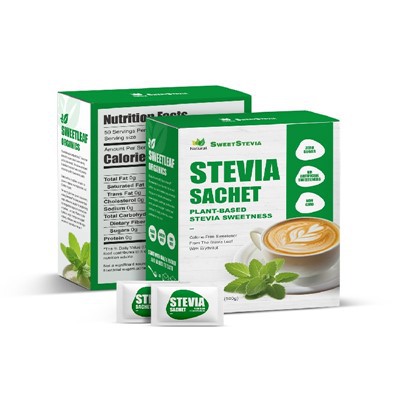
What is the taste of pure stevia extracts?
As a supplier of pure stevia extracts, I've spent years exploring the unique and fascinating world of this natural sweetener. Stevia, derived from the Stevia rebaudiana plant, has gained immense popularity in recent years as a healthy alternative to traditional sugars. But what exactly does pure stevia extract taste like? Let's dive in and explore the nuances of its flavor profile.
The Basics of Stevia Taste
Pure stevia extracts are known for their intense sweetness. In fact, they can be up to 300 times sweeter than table sugar. However, this sweetness is not the same as that of sugar. Stevia has a distinct flavor that sets it apart from other sweeteners.
One of the key characteristics of stevia is its clean, sweet taste. Unlike artificial sweeteners, which can sometimes have a bitter or chemical aftertaste, pure stevia extracts offer a pure, natural sweetness. This makes them an excellent choice for those looking to reduce their sugar intake without sacrificing flavor.
Flavor Variations in Different Stevia Compounds
Not all stevia extracts are created equal. There are several different compounds found in stevia, each with its own unique taste profile. Let's take a closer look at some of the most common stevia compounds and their flavors:
- Rebaudioside A (RA): Rebaudioside A 50%~99% is one of the most well-known and widely used stevia compounds. It has a sweet, clean taste with a relatively low aftertaste compared to other stevia compounds. RA is often used in a variety of food and beverage products, including soft drinks, yogurt, and baked goods.
- Rebaudioside D/M (RD/RM): Rebaudioside D/M 95% Min is another popular stevia compound. It is known for its high sweetness level and excellent taste profile. RD/RM has a very clean, sweet taste with minimal aftertaste, making it a favorite among consumers and food manufacturers alike.
- Glucosylstevioside (GS): Glucosylstevioside 85%~90% is a modified stevia compound that has been developed to improve the taste and functionality of stevia. GS has a sweet, mild taste with a reduced aftertaste compared to some other stevia compounds. It is often used in combination with other stevia compounds to create a more balanced and appealing flavor.
Factors Affecting the Taste of Stevia
The taste of pure stevia extracts can be influenced by several factors, including the concentration of the extract, the type of stevia compound used, and the food or beverage it is added to.


- Concentration: The concentration of stevia extract can have a significant impact on its taste. Higher concentrations of stevia can result in a more intense sweetness, but they may also increase the likelihood of an aftertaste. It's important to find the right balance of sweetness and flavor when using stevia extracts.
- Blending with Other Sweeteners: Many food manufacturers choose to blend stevia extracts with other sweeteners, such as sugar, erythritol, or monk fruit extract. This can help to enhance the flavor of stevia and reduce any potential aftertaste. Blending stevia with other sweeteners can also provide a more balanced sweetness profile that is similar to that of traditional sugar.
- Food and Beverage Matrix: The taste of stevia can also be affected by the food or beverage it is added to. Some foods and beverages may have a stronger flavor that can mask the taste of stevia, while others may enhance its sweetness. For example, stevia can work well in acidic beverages, such as lemonade or iced tea, as the acidity can help to balance the sweetness and reduce any aftertaste.
Applications of Pure Stevia Extracts
The unique taste and health benefits of pure stevia extracts make them a versatile ingredient in a wide range of food and beverage applications. Here are some of the most common uses of stevia extracts:
- Beverages: Stevia extracts are commonly used in soft drinks, energy drinks, sports drinks, and tea and coffee. They can provide a sweet, low-calorie alternative to sugar, making them a popular choice for health-conscious consumers.
- Dairy Products: Stevia can be used in yogurt, ice cream, and other dairy products to reduce the sugar content without sacrificing flavor. It can also help to enhance the natural sweetness of the dairy products and provide a creamy, smooth texture.
- Baked Goods: While stevia can be used in baked goods, it may require some adjustments to the recipe due to its different properties compared to sugar. Stevia does not caramelize or provide the same moisture as sugar, so it's important to use it in combination with other ingredients to achieve the desired texture and flavor.
- Confectionery: Stevia extracts can be used in candies, chocolates, and other confectionery products to reduce the sugar content and provide a healthier alternative. They can also help to enhance the flavor of the confectionery and provide a long-lasting sweetness.
Conclusion
In conclusion, the taste of pure stevia extracts is a complex and fascinating topic. While stevia is known for its intense sweetness, it also has a unique flavor profile that sets it apart from other sweeteners. The different stevia compounds, such as Rebaudioside A, Rebaudioside D/M, and Glucosylstevioside, each have their own distinct taste characteristics, and the taste of stevia can be influenced by factors such as concentration, blending, and the food or beverage matrix.
As a supplier of pure stevia extracts, I am passionate about providing high-quality products that offer a delicious and healthy alternative to traditional sugars. Whether you're a food manufacturer looking to develop new products or a consumer looking to reduce your sugar intake, I encourage you to explore the world of pure stevia extracts and discover the many benefits they have to offer.
If you're interested in learning more about our pure stevia extracts or would like to discuss potential business opportunities, please don't hesitate to contact us. We look forward to working with you to create innovative and delicious products that meet the needs of your customers.
References
- Kinghorn, A. D. (2002). Stevia rebaudiana: Chemical and Biological Properties. CRC Press.
- Geuns, J. M. C. (2003). Stevia rebaudiana Bertoni, source of a high-potency natural sweetener: A comprehensive review. Phytochemistry Reviews, 2(4), 339-368.
- Tanaka, O. (1982). Stevioside. CRC Critical Reviews in Food Science and Nutrition, 17(4), 217-251.