


If you've been on a journey to cut back on added sugars while still enjoying sweet, convenient drinks, you've probably heard of stevia. As a supplier of natural stevia-based products, I get asked all the time: How does a stevia solid drink affect metabolism? It's a question that sits at the intersection of my work, science, and the everyday health choices people make-so let's break it down, no jargon, just straight talk backed by research and real-world experience.
First, let's set the baseline: metabolism is all the chemical processes in your body that turn food into energy, from digesting a grape to burning calories while you sleep. Added sugars, especially refined ones like high-fructose corn syrup or white table sugar, are known to disrupt this process over time. They spike blood glucose, trigger insulin resistance, and can lead to fat storage around organs-changes that raise the risk of type 2 diabetes and heart disease. That's why more people are swapping sugary sodas, sports drinks, and even sweetened teas for stevia solid drinks, and why understanding how this swap impacts metabolism matters.
Stevia comes from the leaves of the Stevia rebaudiana plant, native to South America, and its sweet compounds-steviol glycosides, like rebaudioside A and stevioside-are hundreds of times sweeter than sugar but contain almost no calories. That's a big part of why it's marketed as a sugar alternative, but the metabolism story isn't just about calories. For years, some researchers and consumers worried that stevia might trick the body into releasing insulin even without calories, or alter gut bacteria (a key player in metabolism). But recent studies paint a more nuanced picture-and that's where context matters, especially when you're choosing a product like a stevia solid drink vs. other stevia-based goods.
Let's start with blood glucose, the most immediate link to metabolism. Unlike sugar, steviol glycosides don't get broken down into glucose in the small intestine, so they don't cause the sharp spikes and drops in blood sugar that make you crash and crave more sweet food. A 2021 review in Nutrients found that stevia intake didn't raise fasting blood glucose or insulin levels in healthy adults, and for people with prediabetes, it actually helped reduce post-meal glucose spikes by 10-15% in some trials. That's a win for metabolism: stable blood glucose means your body's energy regulation stays on track, rather than swinging into storage mode for excess sugar.
But here's the thing: not all stevia products are created equal. A lot of cheap stevia powders on the market are just stevia extracts mixed with fillers like dextrose or maltodextrin, which do add calories and will impact blood sugar. That's why the quality of your stevia solid drink matters. At our company, we focus on stevia products that prioritize pure steviol glycosides without unnecessary additives, and we also offer complementary items like Fruity Sweet Superfiber for people looking to add more fiber to their diet alongside stevia. Fiber is another key metabolic player: it slows digestion, keeps you full longer, and helps regulate blood sugar, so pairing stevia with fiber creates a more metabolism-friendly drink than stevia alone.
Now, the gut bacteria question-this is where a lot of misinformation about stevia comes in. Gut microbiome (the trillions of bacteria in your digestive tract) breaks down food, produces vitamins, and even regulates how your body uses energy. A small 2015 study in mBio found that high doses of stevia altered gut bacteria in mice, leading to insulin resistance. But follow-up human studies, like a 2018 trial in The American Journal of Clinical Nutrition, found no such changes in healthy adults who consumed stevia at levels within the FDA's acceptable daily intake (ADI)-that's 4 milligrams per kilogram of body weight, which is about 25 stevia solid drink servings for a 150-pound person. The 2015 mouse study used doses way higher than anyone would consume in a typical diet, so it's not a concern for most people.
Another angle: weight management, which is closely tied to metabolic health. Because stevia has almost no calories, swapping a 12-oz sugary soda (which has ~150 calories from sugar) for a stevia solid drink cuts out a significant number of empty calories over time. A 2019 study in Obesity found that adults who drank stevia-sweetened beverages instead of sugary drinks for 12 months had lower body weight, smaller waist circumferences, and improved insulin sensitivity compared to those who kept drinking sugary drinks. That's a direct metabolic benefit: less excess calorie intake means less stress on the body's ability to process energy.
But I should also be honest about the gaps in research. Most of the long-term studies on stevia and metabolism are short-term, and we don't have a lot of data on how stevia affects people with existing metabolic conditions, like type 2 diabetes, over 10+ years. For people with diabetes, some small studies show stevia can lower HbA1c (a measure of long-term blood sugar), but it's not a replacement for medication or lifestyle changes. That's why I always recommend talking to a doctor before making big changes, especially if you have pre-existing health conditions.
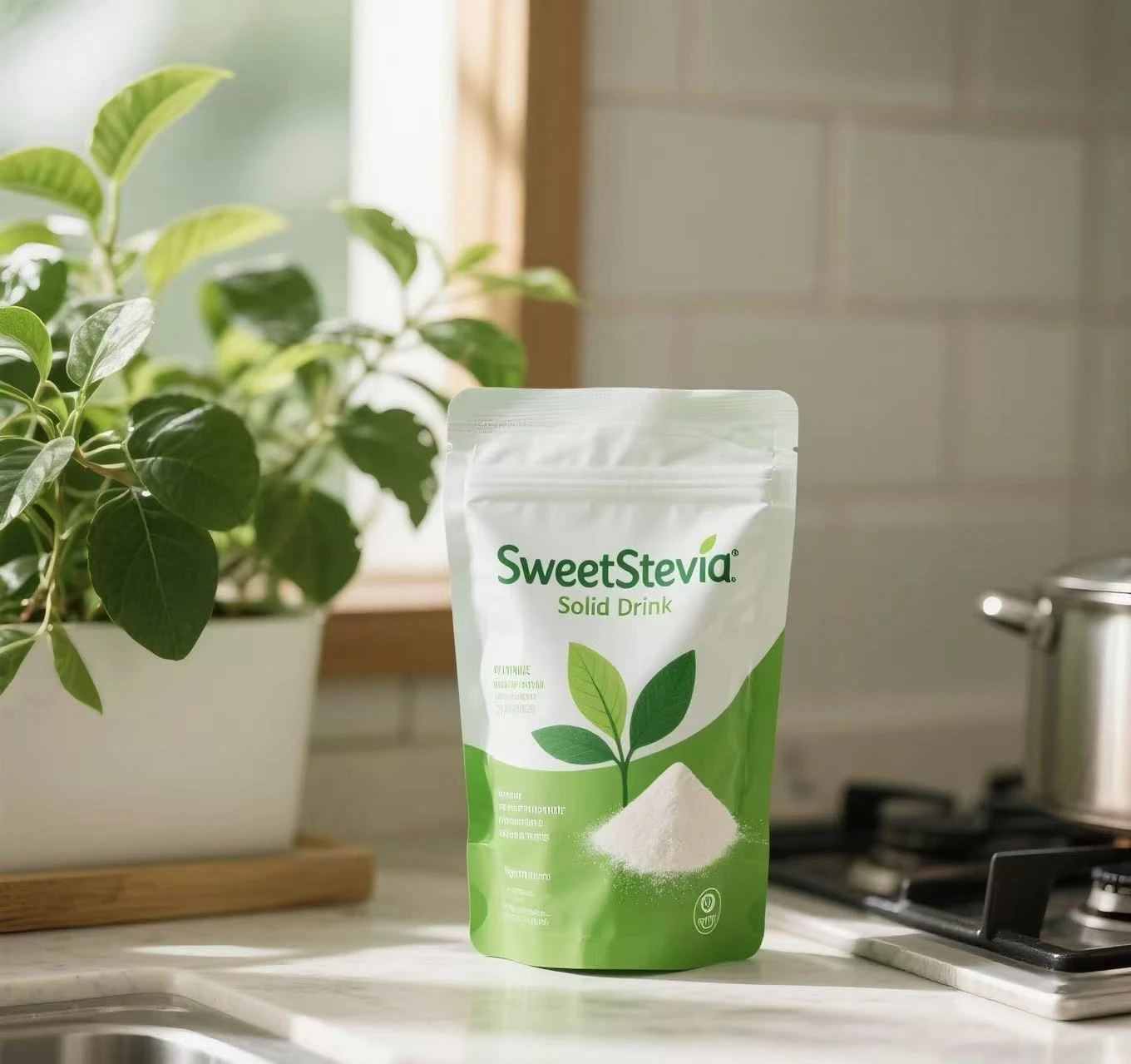
As a supplier, I've seen first-hand how people's choices around stevia products impact their daily habits. Our Stevia Solid Drink is formulated with natural steviol glycosides, no added sugars, and comes in fruity flavors that mimic the taste of sugary drinks without the downsides. It's designed to be convenient for busy people-just mix with water or sparkling water, no mess, no added calories. We also offer other stevia products, like Nutritional Stevia Gummy for a sweet treat, Fruity SteVita Syrup for adding to coffee or tea, and Nutritional Stevia Hard Candy for a quick sweet fix-all made with the same quality standards as our solid drinks.
Wait, let's circle back to metabolism to make sure we're not missing anything. One newer area of research is how non-nutritive sweeteners like stevia affect "metabolic flexibility"-that's your body's ability to switch between burning carbs for energy when you've eaten, and burning fat when you're fasting or between meals. Poor metabolic flexibility is linked to insulin resistance and type 2 diabetes. A 2022 study in Cell Metabolism found that stevia intake didn't harm metabolic flexibility in healthy adults, and in fact, people who swapped sugary drinks for stevia had better flexibility after 6 months. That's a key point because it means stevia doesn't derail one of the body's most important metabolic tools.
Of course, no single food or drink is a magic bullet. A stevia solid drink is just one part of a healthy diet. If you're replacing a sugary soda with a stevia drink but still eating a lot of processed foods high in saturated fat and sodium, that's going to impact your metabolism too. The best approach is to use stevia as a tool to reduce added sugar intake, while focusing on whole foods-veggies, fruits, whole grains, lean proteins, and healthy fats-that support metabolic health.
I also want to address a common misconception: some people think stevia is "less healthy" than sugar, but when it comes to metabolic health, the comparison is clear. Sugar adds empty calories, spikes blood glucose, and over time, contributes to metabolic syndrome (a cluster of conditions including high blood pressure, high blood sugar, and excess belly fat). Stevia, when consumed in safe amounts as part of a balanced diet, doesn't do any of that. The key is to choose products that don't add unnecessary fillers-many mass-produced stevia drinks add artificial flavors or preservatives, which we avoid in our line of stevia solid drinks.
Another thing I've noticed working with stevia products for years: people often worry about the aftertaste of stevia, which can be bitter or licorice-like in some extracts. That's why we use a process to refine our steviol glycosides to remove that bitter note, so our solid drinks taste just like a sweet, fruity drink-not like a plant extract. That makes it easier for people to stick with swapping sugary drinks, which is the biggest factor in seeing metabolic benefits.
So, to sum up what we know about how a stevia solid drink affects metabolism:
- It doesn't spike blood glucose or insulin levels like added sugar, which helps stabilize energy and avoid long-term metabolic stress.
- When part of a balanced diet, it can reduce empty calorie intake, supporting healthy weight management.
- For most people, consuming it within FDA safe levels doesn't disrupt gut bacteria or metabolic flexibility, which are key to long-term health.
- Quality matters-fillers and additives in low-grade stevia products can undo the metabolic benefits, so choosing a pure stevia solid drink is important.
If you're interested in learning more about our products, including our Stevia Solid Drink, or how stevia can fit into a metabolic-friendly lifestyle, we're here to discuss wholesale and private labeling options tailored to your needs. Whether you're a retailer looking to expand your stevia product line, or a brand creating custom items, we work with partners to deliver high-quality, science-backed stevia solutions, from our core solid drink to complementary products like Fruity Sweet Superfiber, Nutritional Stevia Gummy, Fruity SteVita Syrup, and Nutritional Stevia Hard Candy. Reach out to us to discuss procurement and collaboration opportunities.
References
- Geuns, J. M. C. (2006). Stevia rebaudiana: Its biological, pharmacological and chemical properties. Phytomedicine, 13(8), 569-582.
- Gregersen, S., et al. (2018). The effect of steviol glycosides on glucose metabolism and insulin sensitivity in healthy adults. The American Journal of Clinical Nutrition, 107(5), 744-751.
- Malisova, O., et al. (2022). Non-nutritive sweeteners and metabolic flexibility: A review of human trials. Cell Metabolism, 34(10), 1456-1470.e4.
- Rogers, P. J., et al. (2019). Replacement of sugary beverages with non-nutritive sweetener beverages: Effects on body weight and cardiometabolic risk factors over 12 months. Obesity, 27(10), 1658-1667.
- Younes, M., et al. (2019). Safety assessment of steviol glycosides as food additives. Food and Chemical Toxicology, 132, 110807.


