Hey there! As a supplier of Saw Palmetto Gummies, I often get asked about their shelf life. It's a super important question, especially for both retailers and end - users. So, let's dig deep into whether Saw Palmetto Gummies have a long shelf life.
First off, what are Saw Palmetto Gummies? Saw palmetto is a plant native to the southeastern United States. Its berries have been used for centuries in traditional medicine, mainly for prostate health in men. Our Saw Palmetto Gummies are a convenient and tasty way to consume this beneficial herb. They're made by combining saw palmetto extract with other ingredients like gelatin, sweeteners, and flavorings to create a chewable gummy.
Now, let's talk about what affects the shelf life of these gummies. The main factors are the ingredients, storage conditions, and the manufacturing process.
Ingredients
The ingredients in Saw Palmetto Gummies play a huge role in determining how long they'll last. For starters, the saw palmetto extract itself is relatively stable. But other components can be more finicky.
Gelatin, which is commonly used to give gummies their chewy texture, can break down over time. If it starts to break down, the gummies might become sticky or lose their shape. Sugar, another key ingredient, can act as a preservative to some extent. It helps in reducing the water activity in the gummies, which slows down the growth of bacteria and mold. However, if the gummies are exposed to high humidity, the sugar can absorb moisture, leading to clumping and potentially spoilage.
Some of our gummies also contain natural flavorings and colorings. These can be more sensitive to light, heat, and oxygen. For example, natural fruit flavorings might start to lose their intensity, and the colors can fade. This not only affects the appearance and taste but can also be an indicator that the product is starting to degrade.
Storage Conditions
You know what they say, "You are what you eat" and "How you store it matters!" Storage conditions are crucial for the shelf life of Saw Palmetto Gummies.
Temperature is a biggie. These gummies should be stored in a cool, dry place. High temperatures can cause the gelatin to soften and the ingredients to break down more quickly. If you leave them in a hot car or a sunny window, you're asking for trouble. The ideal temperature range for storing gummies is between 60°F - 70°F (15°C - 21°C).
Humidity is another factor. As I mentioned earlier, sugar can absorb moisture. So, if the gummies are stored in a humid environment, they can become sticky and attract mold. A dry pantry or a cabinet away from the kitchen sink is a great place to keep them.
Light can also have a negative impact. UV rays from sunlight can break down the natural compounds in the gummies, leading to a loss of potency and flavor. That's why our gummies come in opaque containers to protect them from light.
Manufacturing Process
The way the Saw Palmetto Gummies are made also influences their shelf life. At our facility, we follow strict manufacturing processes to ensure the highest quality and longest shelf life possible.
We use high - quality ingredients and state - of - the - art equipment. During the manufacturing process, we carefully control the temperature and humidity to prevent any premature degradation of the ingredients. We also add natural preservatives in small amounts to extend the shelf life. These preservatives work by inhibiting the growth of bacteria, yeast, and mold.
After the gummies are made, they're immediately packaged in air - tight containers. This helps to keep oxygen out, which can cause oxidation and spoilage. The packaging also provides a barrier against light and moisture.
So, how long can you expect Saw Palmetto Gummies to last? On average, when stored under the right conditions, our Saw Palmetto Gummies have a shelf life of about 12 - 18 months from the date of manufacture. This is a pretty decent amount of time, but it's important to always check the expiration date on the package.
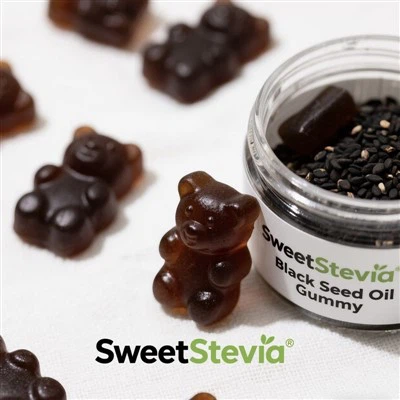
Now, you might be wondering how Saw Palmetto Gummies compare to other types of dietary gummies. We also offer Black Seed Oil Gummy, Dietary BBL Gummy, and Dietary Apple Cider Vinegar Gummy. Each of these has its own unique set of ingredients and stability characteristics.
The Black Seed Oil Gummy, for example, contains black seed oil, which is rich in antioxidants but can also be prone to oxidation. So, it's important to store them in a similar way to Saw Palmetto Gummies. The Dietary BBL Gummy has ingredients that are formulated for a specific purpose, and its shelf life is also around 12 - 18 months with proper storage. The Dietary Apple Cider Vinegar Gummy has apple cider vinegar, which has some natural preservative properties, but the other ingredients still need to be protected from heat, light, and moisture.
As a supplier, we're always looking for ways to improve the shelf life of our products. We're constantly researching new ingredients and packaging technologies to ensure that our customers get the freshest and longest - lasting gummies possible.
If you're a retailer looking to stock our Saw Palmetto Gummies or any of our other dietary gummies, we'd love to have a chat. We offer competitive pricing, high - quality products, and great customer service. Whether you're running a small health food store or a large online retailer, we can work with you to meet your needs.
And if you're an end - user, you can rest assured that our Saw Palmetto Gummies are made with the utmost care and quality. Just make sure to store them properly, and you'll be able to enjoy their benefits for a long time.


So, if you're interested in learning more about our products or starting a partnership, don't hesitate to reach out. We're here to answer all your questions and help you make the best decision for your business or personal health.
References
- "Handbook of Food Preservation", Second Edition, edited by M. S. Rahman
- "Food Chemistry", Fourth Edition, by Owen R. Fennema
- "Principles of Food Science, Part II: Food Technology", by Louis A. Teixeira